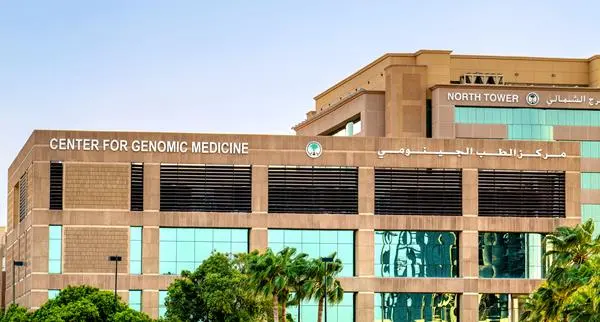





















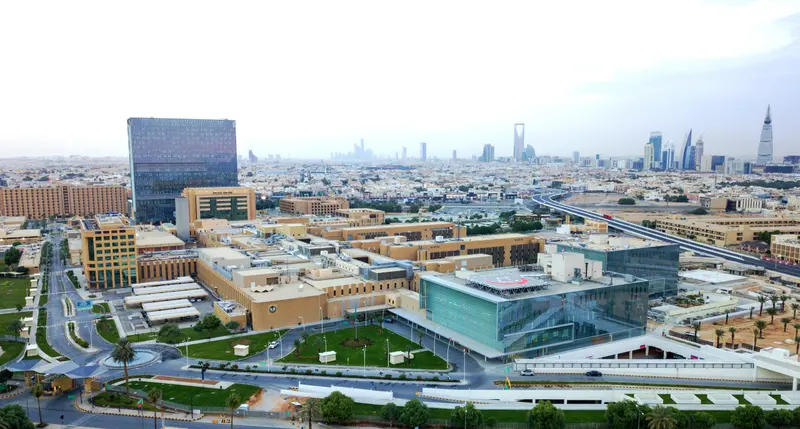
In a major scientific breakthrough, a research team from King Faisal Specialist Hospital and Research Centre (KFSH&RC), in collaboration with King Abdullah University of Science and Technology (KAUST), working alongside researchers from the UK, the US, and India, discovered a vital gene instrumental in combating malaria. This gene, termed PfAP2-MRP, is essential in the replication process of Plasmodium falciparum, the parasite that causes the most lethal strain of malaria.
Advanced laboratory techniques enabled the researchers to inhibit the PfAP2-MRP gene, revealing its critical role in the malaria parasite’s life cycle within red blood cells. This inhibition significantly disrupts the parasite’s ability to reproduce, reducing the severity of the disease’s symptoms and curbing its spread. This discovery is particularly impactful as it addresses Plasmodium falciparum malaria, which claims over half a million lives annually.
Dr. Ashraf Dada, Chairman of the Department of Pathology and Laboratory Medicine at King Faisal Specialist Hospital and Research Centre in Jeddah and the lead researcher, stated: "This discovery paves the way for the development of more effective treatments for the deadliest malaria strain, Plasmodium falciparum.” Also, this study enhances the scientific community’s understanding of the disease’s progression and its interaction with the human immune system, thereby strengthening efforts to combat this widespread malaria parasite prevalent in Africa.
Furthermore, the research demonstrated that the PfAP2-MRP gene regulates the production of genetically diverse protein receptors, allowing the parasite to evade the host’s immune system. This mechanism plays a significant role in the global spread of malaria and underscores the gene’s importance in developing future therapeutic strategies.
Published in the prestigious journal "Nature" this noteworthy study is part of a close collaboration between KFSH&RC and KAUST to engage in innovative research activities aimed at not only improving the diagnosis of microbes, bacteria, and parasites, but also underscores a global effort to combat pathogens and improve human health.
King Faisal Specialist Hospital and Research Centre stands among the global leaders in providing specialized healthcare, driving innovation, and serving as an advanced medical research and education hub. Through strategic partnerships with prominent local, regional, and international institutions, the hospital is dedicated to advancing medical technologies and elevating the standards of healthcare worldwide.
About King Faisal Specialist Hospital & Research Centre (KFSH&RC):
King Faisal Specialist Hospital & Research Centre (KFSH&RC) stands as a leading healthcare institution in the Middle East, envisioned to be the optimal choice for every patient seeking specialized healthcare. The hospital boasts a rich history in the treatment of cancers, cardiovascular diseases, organ transplantation, neurosciences, and genetics.
In 2023, "Brand Finance" ranked King Faisal Specialist Hospital & Research Centre as the top academic medical centre in the Middle East and Africa, and among the top 20 globally. Additionally, in 2022, it was recognized as one of the leading global healthcare providers by Newsweek magazine.
As part of Saudi Vision 2030, a royal decree was issued on December 21, 2021, to transform the hospital into an independent, non-profit, government-owned entity, paving the way for a comprehensive transformation program aimed at achieving global leadership in healthcare through excellence and innovation.