





The new point-of-presence will increase the availability of Fortinet Unified SASE for customers in Oman
Fortinet®, the global cybersecurity leader driving the convergence of networking and security, has announced the launch of a dedicated FortiSASE Point-of-Presence (POP), expanding the reach and availability of Fortinet Unified SASE for customers in Oman.
While offering many benefits, remote working also expands an organisation’s attack surface and adds complexity to enterprise security. Additionally, Oman’s new remote work legal framework means organisations must improve legacy remote access methods, enhance user experiences, and provide better secure access for offsite users.
FortiSASE enables secure access to web, cloud, and applications for the hybrid workforce, while simplifying operations. The new FortiSASE PoP extends the convergence of networking and security from the network edge to remote users, providing secure access to private applications. This enhances resiliency and user experience from any location. Fortinet’s Unified SASE platform currently provides global coverage through a network of more than 200 PoPs worldwide.
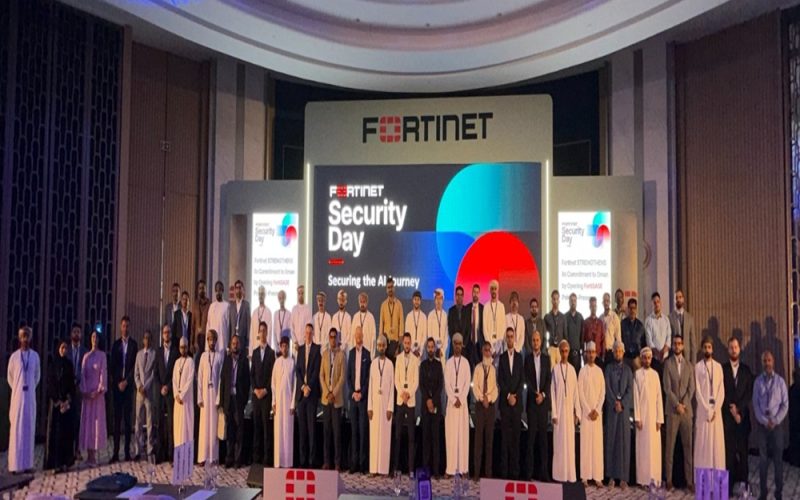
The announcement was made at the Fortinet Security Day at St. Regis Muscat, an event bringing together CISOs, CIOs, government representatives and senior technology leaders from across Oman to discuss emerging cyber threats, the impact of AI on security, and strategies for strengthening cyber resilience. The forum highlighted the importance of secure digital transformation, cloud adoption, and modern networking and security architectures in supporting Oman’s evolving digital economy.
Shadi Khuffash, Senior Regional Director, South ME, Fortinet comments:
“Fortinet’s investment in Oman through this latest launch underscores our dedication to enhancing the country’s digital transformation and cybersecurity ambitions. The deployment of FortiSASE as a local PoP ensures low-latency, high-performance access to cloud and internet services by keeping traffic processing within the country. It also strengthens data sovereignty and regulatory compliance while enabling real-time threat inspection and improved security outcomes. Additionally, it enhances national cyber resilience by reducing reliance on international links and supporting secure, scalable Zero Trust access.”


